What is a tensioned membrane structure and what are its uses?
A tensioned membrane structure, also known as a tensile structure, fabric structure or sail structure, consists of a rigid frame and an outer membrane roof. The characteristic of a tensioned membrane structure is the tensioning of the membrane system, usually using cables or steel cables. In simple terms, it is an independent structure that can cover a large span over a long distance without the need for intermediate support structures.
The basic forms of tensioned membrane structures
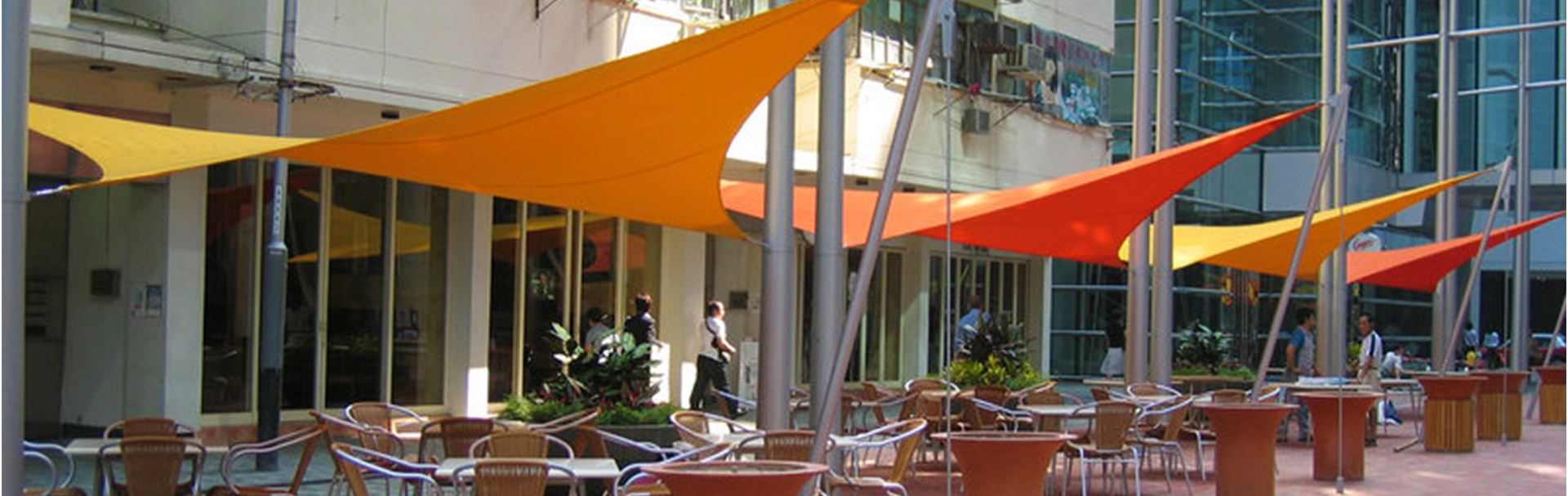
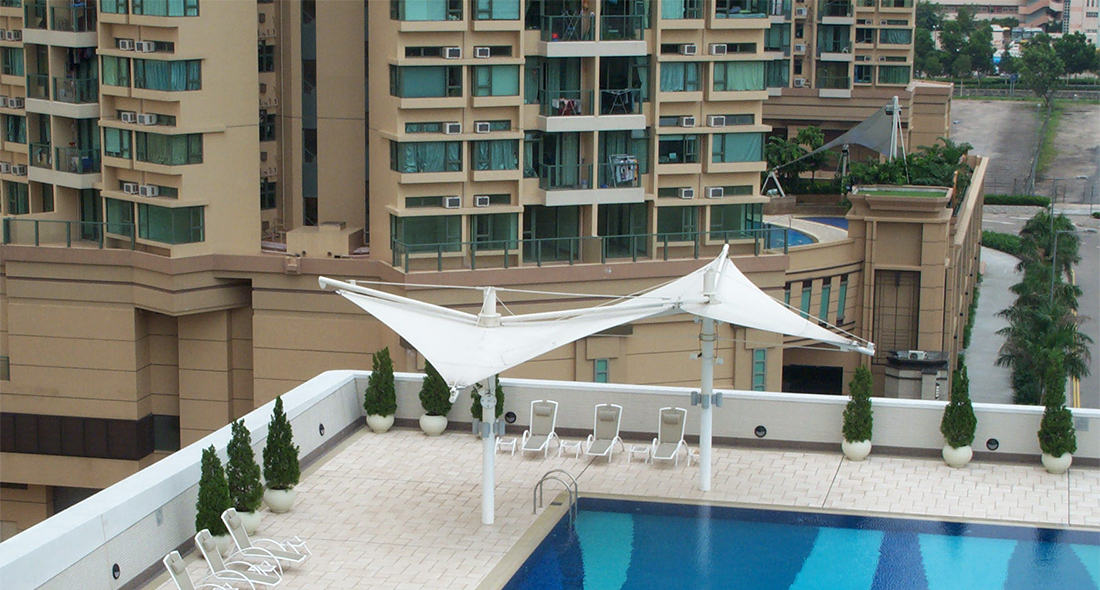
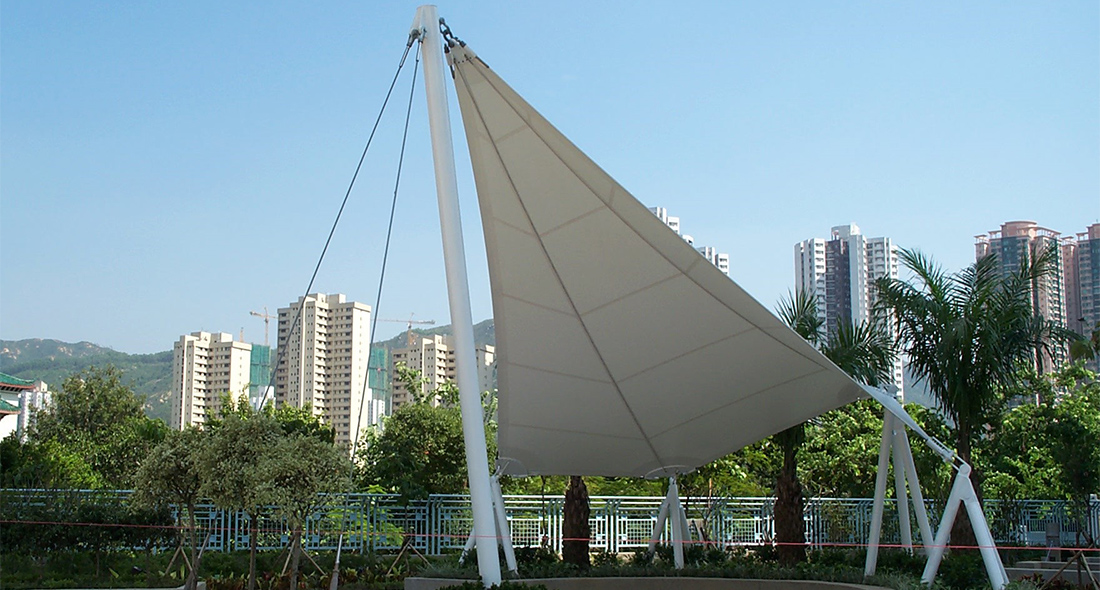
The basic shapes of tensioned membrane structures include saddle-shaped, conical (umbrella-shaped), arch-supported, ridge-and-valley, etc. (see Figures 1-4). Tensioned membrane structures applied in actual projects are usually combinations of these basic shapes.
Figure 1: Saddle shape-La Costa, Ma On Shan
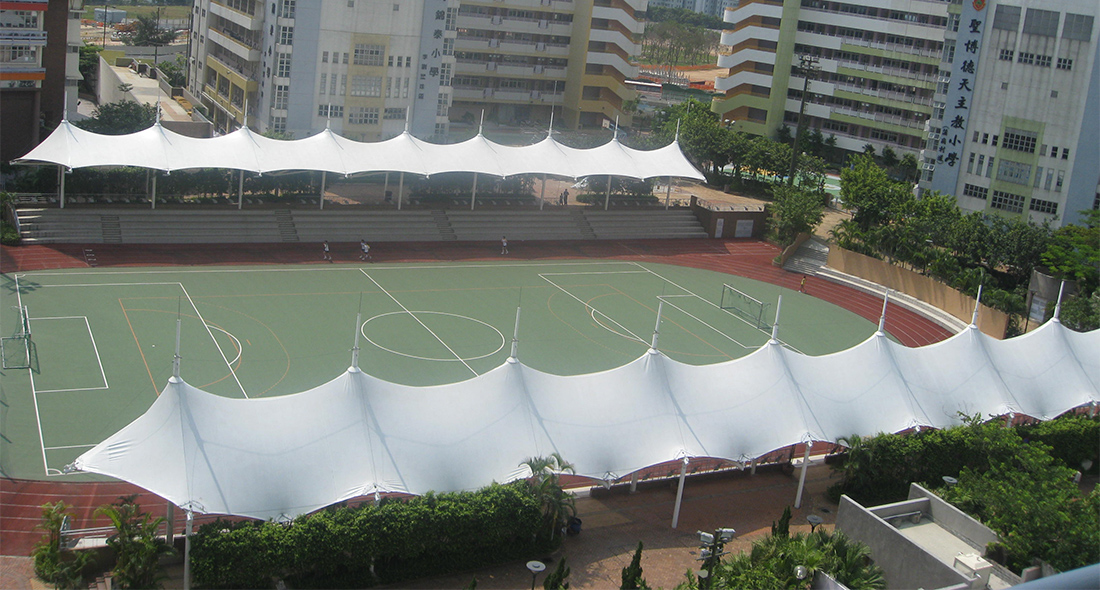
Figure 2: Conical (umbrella-shaped)-Po Kong Village Road Schools
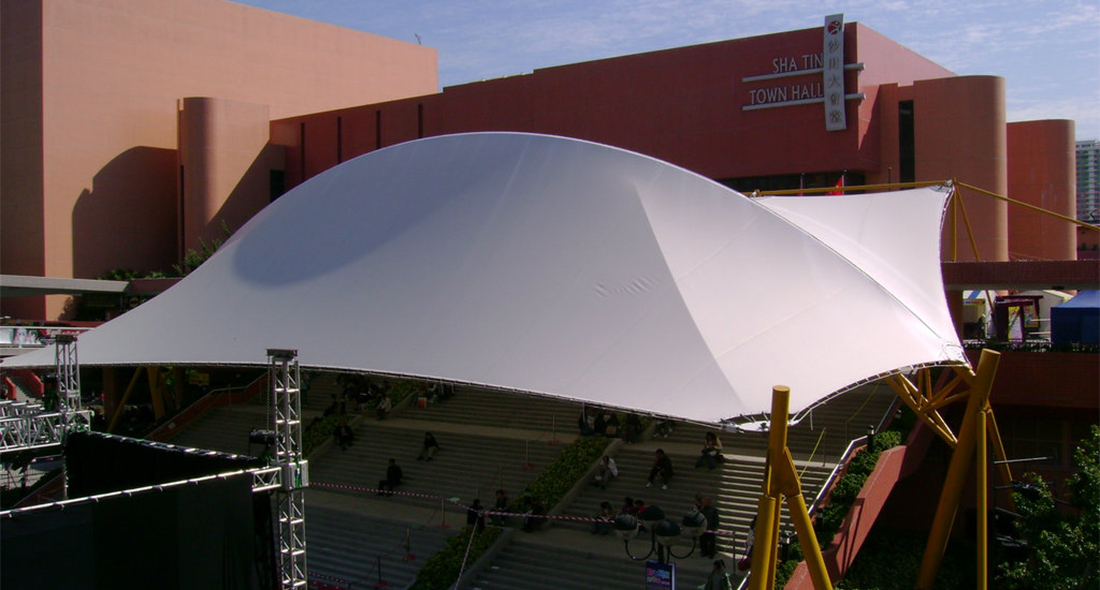
Figure 3: Arch support shape-Shatin Town Hall(HK)
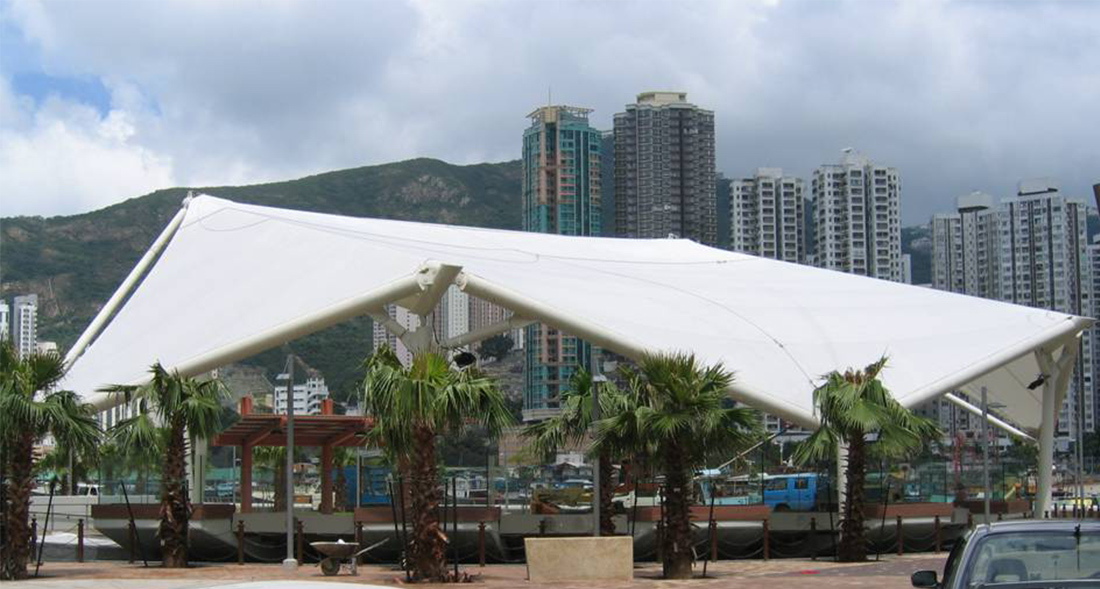
Figure 4: Ridge-valley shape-North Ap Lei Chau (HK)
2、Support system of tensioned membrane structure
Tensile membrane structure engineering can be divided into three types according to the supporting structure and boundary constraints, namely flexible support system, rigid support system, and hybrid support system (as shown in Figures 5-7).
Figure 5: Flexible support system(Hong Chi Morninghope School, Tuen Mun)
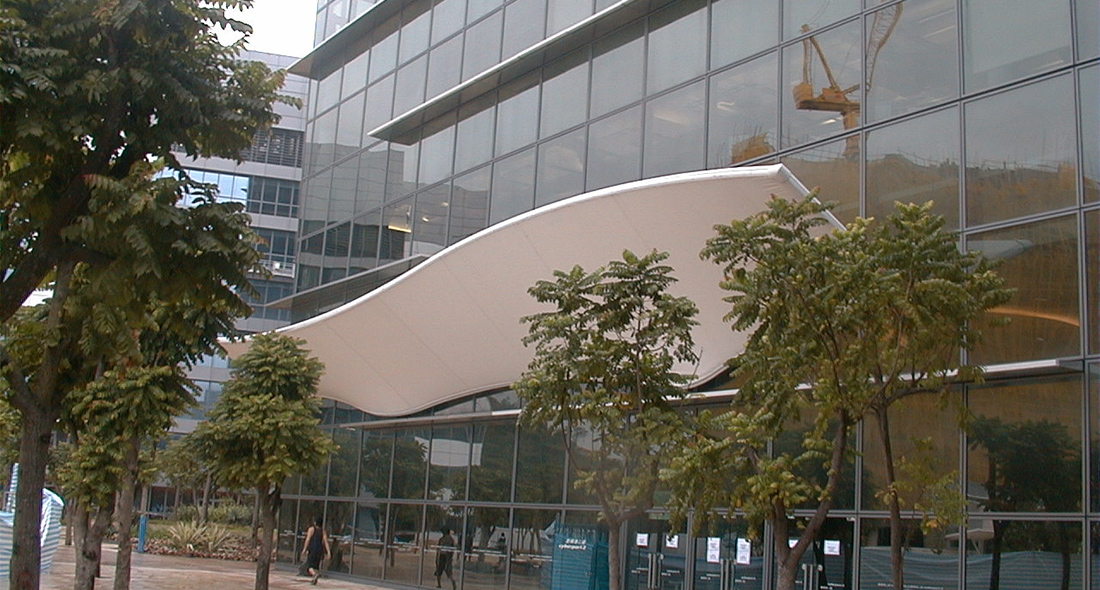
Figure 6: Rigid support system(Cyberport CI )
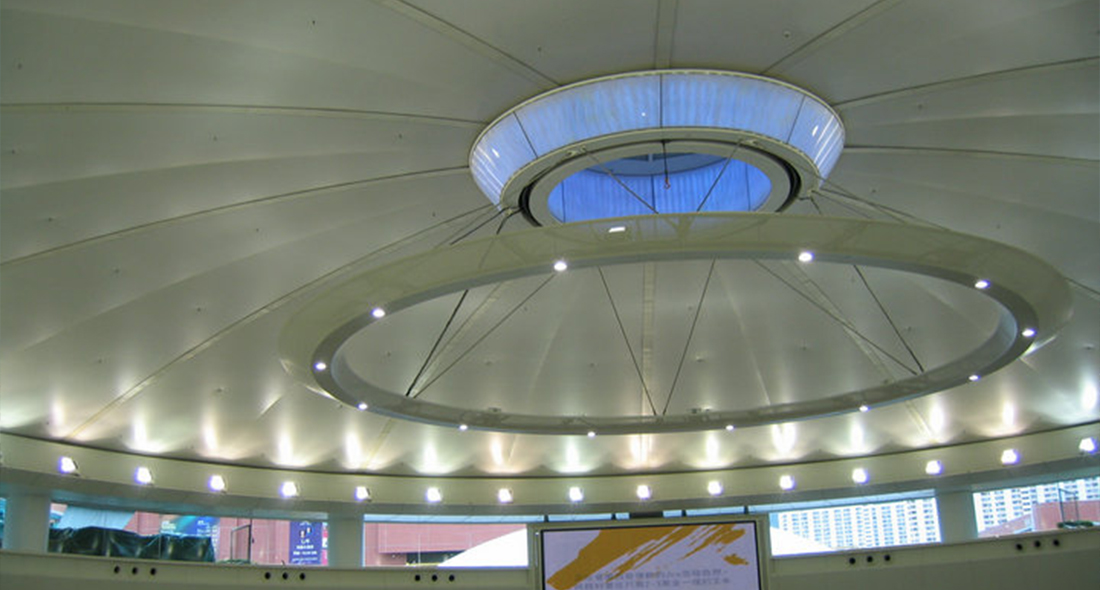
Figure 7: Hybrid support system(New Town Plaza)
The flexible boundary membrane structure is characterized by flexible cables as its boundary, connecting the membrane plate (Membrane Plate) to the supporting structure. The connecting segments (Link) of existing buildings or anchored foundations are usually designed to be adjustable in length and rotatable in direction, in order to better accommodate deformation and secondary tension under load.
Rigid boundary membrane structure refers to a membrane structure where all boundaries of the membrane surface are rigid components. Compared to flexible boundaries, the shape of a membrane structure with rigid boundaries is simpler and less constrained by engineering sites, but its shape is more significantly influenced by the boundaries, and the precision requirements are higher.
3.1. Materials for membrane structures
Unlike traditional structures, membrane structures primarily utilize flexible thin films and cables as the load-bearing materials.
3.1 Types and properties of membrane materials
Thin film materials used in construction engineering can be divided into two major categories: woven fabric membrane materials and non-woven fabric membrane materials. Among them, commonly used woven fabric membrane materials include PVC-coated polyester fabric (hereinafter referred to as PVC membrane materials) and PTFE-coated fiberglass fabric (hereinafter referred to as PTFE membrane materials). As for non-woven fabric membrane materials, ETFE film is the most representative and competitive.
The structure of fabric-based membrane materials is composed of a fabric substrate combined with a surface coating. The substrate provides mechanical properties such as strength, while the coating offers physical and chemical properties such as fire resistance and anti-aging. Commonly used substrate materials include polyester fiber, glass fiber, polypropylene fiber, polyamide fiber, etc. Commonly used coating materials include polyvinyl chloride (PVC), polytetrafluoroethylene (PTFE, commonly known as Teflon), and so on.
3.2 Selection of membrane materials
The selection of membrane materials largely depends on the function of the building, fire protection requirements, design lifespan, and investment amount. Generally speaking, the following factors are primarily considered when selecting membrane materials:
a. Strength: including tensile strength and tear resistance, etc., which is selected based on the working stress of the film surface;
b. Durability: including anti-aging performance and adaptability to climate;
c. Fire resistance: This refers to whether the material is flame-retardant or non-flammable, which depends on the function of the building and the local regulations on fire resistance requirements for building materials;
d. Price: plays a decisive role;
e. The processability, width, and membrane surface shape of the proposed project of the membrane material.
4. Cable and its selection
The membrane structure engineering primarily relies on tensioning the membrane surface through cables. The application forms of cables include edge cables that form free shapes, ridge cables and valley cables that maintain shape and stability, lifting cables for flying columns, and load-transferring cables, among others. The cables used in membrane structures are mostly stainless steel cables or galvanized steel cables. Depending on their construction, they can be divided into two categories: steel strands and steel wire ropes (see Figure 8).
Figure 8 steel strand wire rope
Exposed cables should be made of stainless steel to fully embody the lightness and beauty of the membrane structure; the edge cables threaded through the "pantsuit" on the membrane edge can be considered as galvanized steel wire ropes. The selection of rigging should match the steel cables. The specification and size of the cables also need to be considered in accordance with the force conditions.
Tensioning membrane structures do not use the rigid intermediate support structure required by other structures, meaning that they can cover a wide distance without the need for intermediate support columns, making them very suitable for covering sports fields, performance stages, shopping centers, and so on.
Their exceptional strength and ability to withstand harsh weather conditions make them a permanent building.
In addition to practicality, the tensioned membrane structure can also add an elegant and beautiful style to any outdoor space.
In terms of maintenance, it needs to be cleaned at least every two years or annually to maintain the structure in optimal condition.
There are various styles, shapes, and colors to choose from for tensile membrane structures, which can be adjusted according to the required specifications.